Learn about Red Light Therapy
Red Light Therapy Explained: Understanding Photobiomodulation
A Modern Approach to Supporting Recovery, Skin Wellness & Overall Vitality
Red light therapy, also known as photobiomodulation (PBM), is a non-invasive wellness technology that uses specific wavelengths of red and near-infrared light to deliver targeted light exposure to the body.
Unlike traditional light sources, red and near-infrared LED systems are designed to provide specific wavelengths that interact with the body’s natural biological processes.
Today, photobiomodulation is used in wellness centers, recovery facilities, fitness environments, spas, and home wellness spaces as part of a comprehensive approach to supporting relaxation, recovery, and overall well-being.
How Does Red Light Therapy Work?
Red and near-infrared light wavelengths are absorbed by cells and tissues at varying depths.
Different wavelengths are selected based on their ability to reach different areas of the body:
Red Light (Approximately 620–700nm)
Red light wavelengths are commonly used for surface-level applications and are often associated with:
-
Supporting healthier-looking skin
-
Promoting a more refreshed appearance
-
Supporting overall skin wellness
Near-Infrared Light (Approximately 700–1000nm)
Near-infrared wavelengths penetrate deeper than visible red light and are commonly used in recovery-focused wellness applications.
They are often selected to support:
-
Muscle comfort
-
Recovery after physical activity
-
Overall body wellness
Why Are Multiple Wavelengths Used?
Many advanced photobiomodulation devices combine multiple wavelengths because each wavelength interacts with the body differently.
For example:
-
630nm–660nm red light is commonly selected for skin-focused wellness applications.
-
810nm–850nm near-infrared light is frequently used in recovery and performance environments.
-
940nm near-infrared light is used in some advanced systems for additional wavelength coverage.
Multi-wavelength systems allow users to experience a broader range of light exposure within one wellness session.
Potential Wellness Benefits of Red Light Therapy
When incorporated into a consistent wellness routine, photobiomodulation may help support:
Recovery & Muscle Comfort
Many active individuals use red and near-infrared light therapy as part of their recovery routine following exercise or physical activity.
Skin Wellness
Red light therapy is commonly used in beauty and wellness settings to support healthier-looking skin and overall skin appearance.
Relaxation & Stress Management
Many users incorporate light therapy into relaxation routines designed to support balance and well-being.
Healthy Lifestyle Support
Red light therapy is often combined with other wellness practices, including:
-
Exercise
-
Healthy nutrition
-
Quality sleep
-
Massage therapy
-
Recovery technologies
Why Full-Body Red Light Therapy?
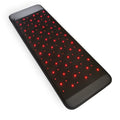
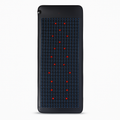
Full-body systems are designed to provide broader light exposure compared with smaller targeted devices.
Benefits of full-body systems include:
-
Convenient whole-body sessions
-
Consistent exposure across larger areas
-
Professional-style wellness experiences at home
-
Integration into recovery and longevity routines
Full-body LED systems are commonly found in:
-
Wellness clinics
-
Recovery studios
-
Fitness facilities
-
Luxury spas
-
Longevity-focused environments
What Makes a Professional Red Light Therapy System Different?
Professional-grade systems often include:
✓ Multiple therapeutic wavelengths
✓ Higher LED output
✓ Larger treatment areas
✓ Adjustable intensity settings
✓ Programmable session times
✓ Commercial-grade construction
✓ User-friendly controls
These features allow users and wellness professionals to customize sessions based on comfort, preferences, and wellness goals.
Red Light Therapy & Modern Wellness
As interest grows in proactive health, recovery, and healthy aging, photobiomodulation has become a popular addition to many wellness routines.
Many individuals use red light therapy alongside other wellness modalities, such as:
-
Massage therapy
-
Cold therapy
-
Sauna therapy
-
Compression therapy
-
Exercise recovery
-
Stress management practices
The goal is not to replace healthy habits—but to complement them.
Frequently Asked Questions
Is red light therapy safe?
Red light therapy is considered a non-invasive wellness technology. Users should follow manufacturer instructions and consult a healthcare professional regarding personal circumstances or concerns.
How often should red light therapy be used?
Frequency depends on the specific device, session settings, and individual preferences. Many wellness routines incorporate sessions several times per week.
Does red light therapy feel uncomfortable?
Most users describe red light therapy sessions as comfortable and relaxing. The experience typically involves exposure to warm red and near-infrared LED light without heat or discomfort.
What should I look for in a red light therapy device?
Important factors include:
-
Wavelength options
-
Coverage area
-
LED quality
-
Adjustable intensity
-
Session controls
-
Build quality
-
Manufacturer support
Thermavibe Perspective
At Thermavibe, we believe wellness technology works best when it becomes part of a consistent lifestyle.
Red light therapy is one component of a complete recovery and wellness approach—designed to complement healthy movement, relaxation, nutrition, sleep, and other wellness practices.
Our goal is to help customers choose professional-quality wellness technology that fits their individual goals and lifestyle.
Disclaimer
Red light therapy products are intended for general wellness and recovery applications. They are not intended to diagnose, treat, cure, or prevent any disease. Individual experiences and results may vary.